
7 Ways to Help Your Cut Flowers Last Longer
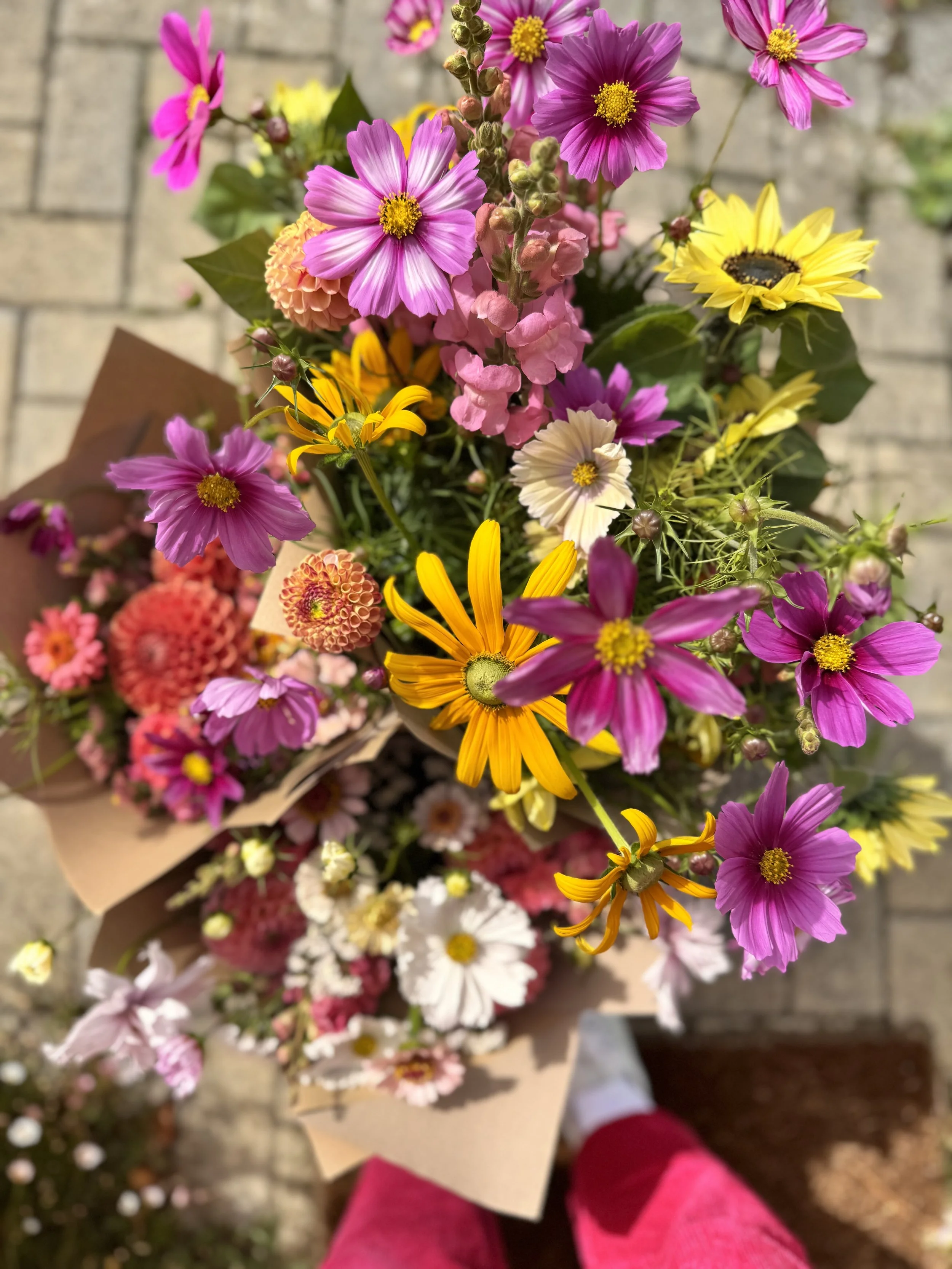
Each flower stem grown at Cicely Flowers is hand-picked and inspected for quality. To keep your flowers looking their best for as long as possible, it’s important to care for them properly once they’re home.
Here are seven simple tips to help you get the very best vase life from your blooms.
1. Start with a very clean vase
The vase you arrange your flowers in should be really clean - clean enough that you wouldn’t mind drinking from it.
Dirty containers harbour bacteria, which causes flowers to wilt much more quickly. Wash vases in hot, soapy water (or pop them in the dishwasher) and allow them to air dry. Avoid drying the inside with a tea towel, as this can reintroduce bacteria.
Each time you change the water, give the vase another good wash and let it dry naturally again.
2. Remove tired blooms regularly
Even with the best care, some flowers naturally last longer than others. As soon as any stems start to wilt or fade, remove them from the arrangement to prevent bacteria and decay spreading to the healthier flowers.
As the bouquet reduces in size, you can always move it into a smaller vase - or even split it into a few smaller posies dotted around the house. This often makes the remaining flowers look even more beautiful and lets you enjoy them in more than one place.
3. Keep flowers away from fruit
Flowers and fruit don’t mix. Fruit gives off ethylene gas, which causes flowers to deteriorate more quickly. Keep your bouquet well away from fruit bowls and opt for a mantelpiece, side table, or dining table instead.
4. Avoid heat and draughts
Cut flowers last much longer in cool conditions. Keep them away from direct sunlight, radiators, fires, and draughty spots, all of which can cause flowers to dry out and wilt prematurely.
5. Let’s talk about water
Locally grown flowers drink a lot of water.
Unlike supermarket flowers - which are often imported, stored out of water in fridges, and treated with chemicals — Cicely Flowers are usually harvested less than 24 hours before they arrive in your home. They are very much still alive.
Because of this, it’s important to check the water level daily, especially on warm days or when you have lots of stems in one vase, as the water can disappear surprisingly quickly.
You can add a pinch of sugar and/or a single drop of bleach to the water to help slow the growth of bacteria and algae (this is essentially what commercial flower food does). Always use warm water rather than hot or cold when refilling your vase.
6. Trim the stems regularly
When you first receive your flowers, they’ll be freshly cut, fully hydrated, and ready to go straight into water.
After a couple of days - when you change the water for the first time - trim 2–3cm off the bottom of each stem at a 45-degree angle. This prevents the stem from sitting flat on the bottom of the vase and increases the surface area for water uptake.
Repeat this each time you change the water. Use sharp, clean scissors, and for thicker or tougher stems, a sharp knife is best. Blunt tools crush the stems, making it harder for them to drink.
7. Remove foliage below the water line
Before placing your flowers in a vase, check that no leaves sit below the water line. Submerged foliage decomposes quickly, encouraging bacteria growth and shortening vase life.
Gently pull or snip off any lower leaves to keep the water clean and your flowers fresher for longer.
If you’re enjoying locally grown, seasonal flowers and want to experience them at their very best, I grow and sell fresh cut flowers from my small flower farm in Bradford on Avon, near Bath.
You’ll find my flowers at my self-serve flower stand, as well as through picked-to-order bouquets, seasonal subscriptions, and small, relaxed weddings throughout Wiltshire, Somerset, and the surrounding areas.
Each bouquet is grown slowly, picked by hand, and designed to reflect the season - so with a little care, you can enjoy them for days (and often weeks) to come.