
Why I Use Cover Crops on My Flower Farm (and Why I’ll Never Use Rye Again)
When my growing season wraps up and the beds start to empty, one of the most important jobs I do is sowing cover crops. They aren’t glamorous - no one picks up a bouquet and says, “Wow, these stems are thanks to your excellent winter soil management!” - but they make a massive difference to how healthy and productive my beds are in spring.
This year I’ve gone all-in on two favourites: flax and phacelia. They’re beautiful, easy, and incredibly helpful for the soil… and crucially, unlike last year’s attempt with rye, they don’t try to take over the world.
Here’s why I use them - and why I won’t be repeating my rye experiment anytime soon.
What Cover Crops Actually Do
Cover crops are simply plants grown to protect and improve the soil when beds are empty. For a flower farmer, they’re absolute magic because they:
prevent winter soil erosion
stop nutrients washing away
suppress weeds
improve soil structure
add organic matter when turned back into the soil
help the ground dry out faster in spring
and keep the beds from turning into muddy, compacted puddles
In short: they look after the soil so the soil can look after the flowers.
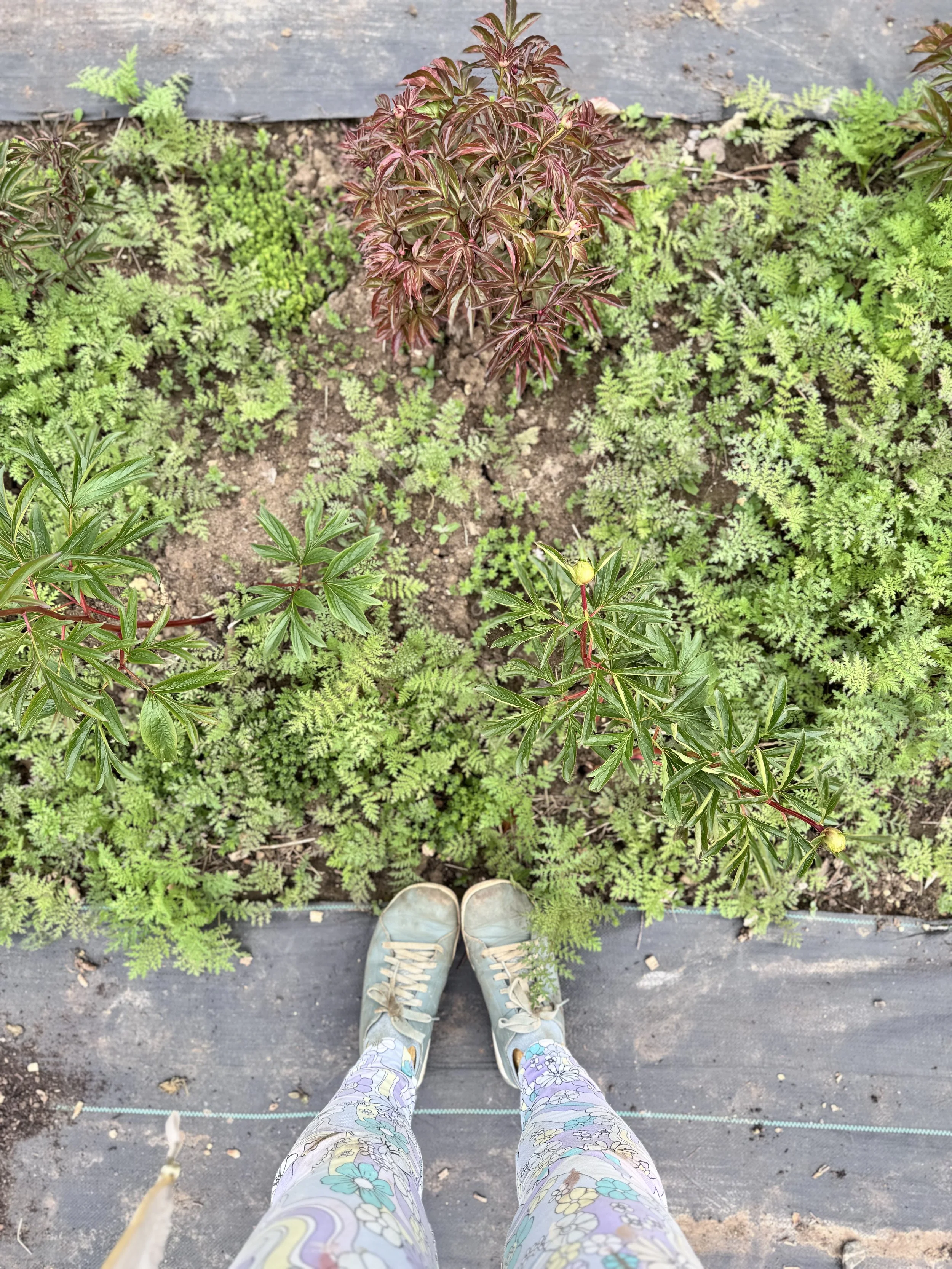
Phacelia in the peony beds
Why I’m Using Flax and Phacelia This Winter
After some trial and error, flax and phacelia have become my reliable go-to cover crops.
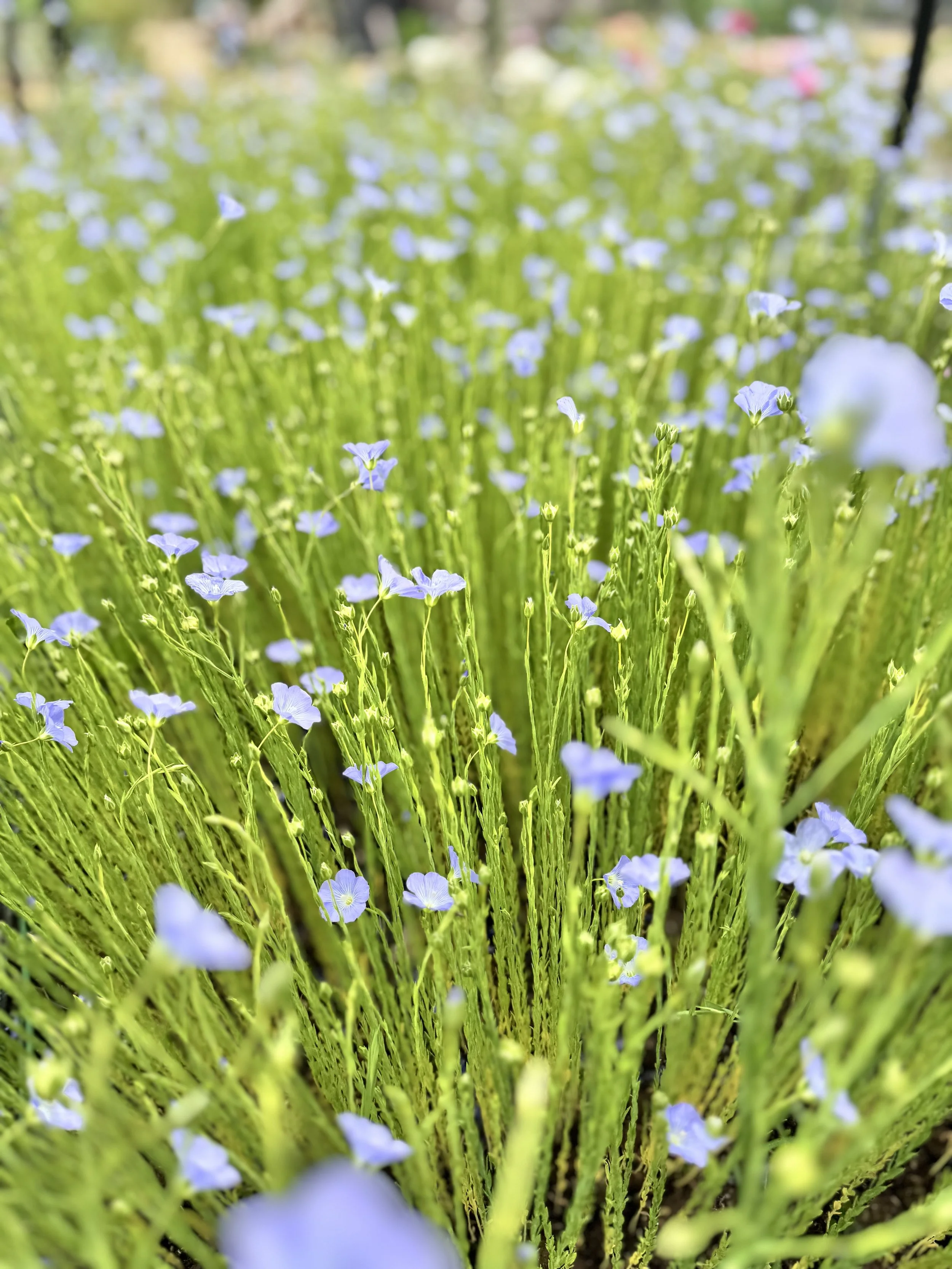
Flax might be the prettiest cover crop I’ve ever used. It sends up delicate blue flowers that eventually turn into beautiful little green seed pods, which look like tiny bubbles in a bouquet.
They’re easy to sow, quick to establish, and simple to kill off in spring - which is essential when you have a full planting schedule and no time for a battle.
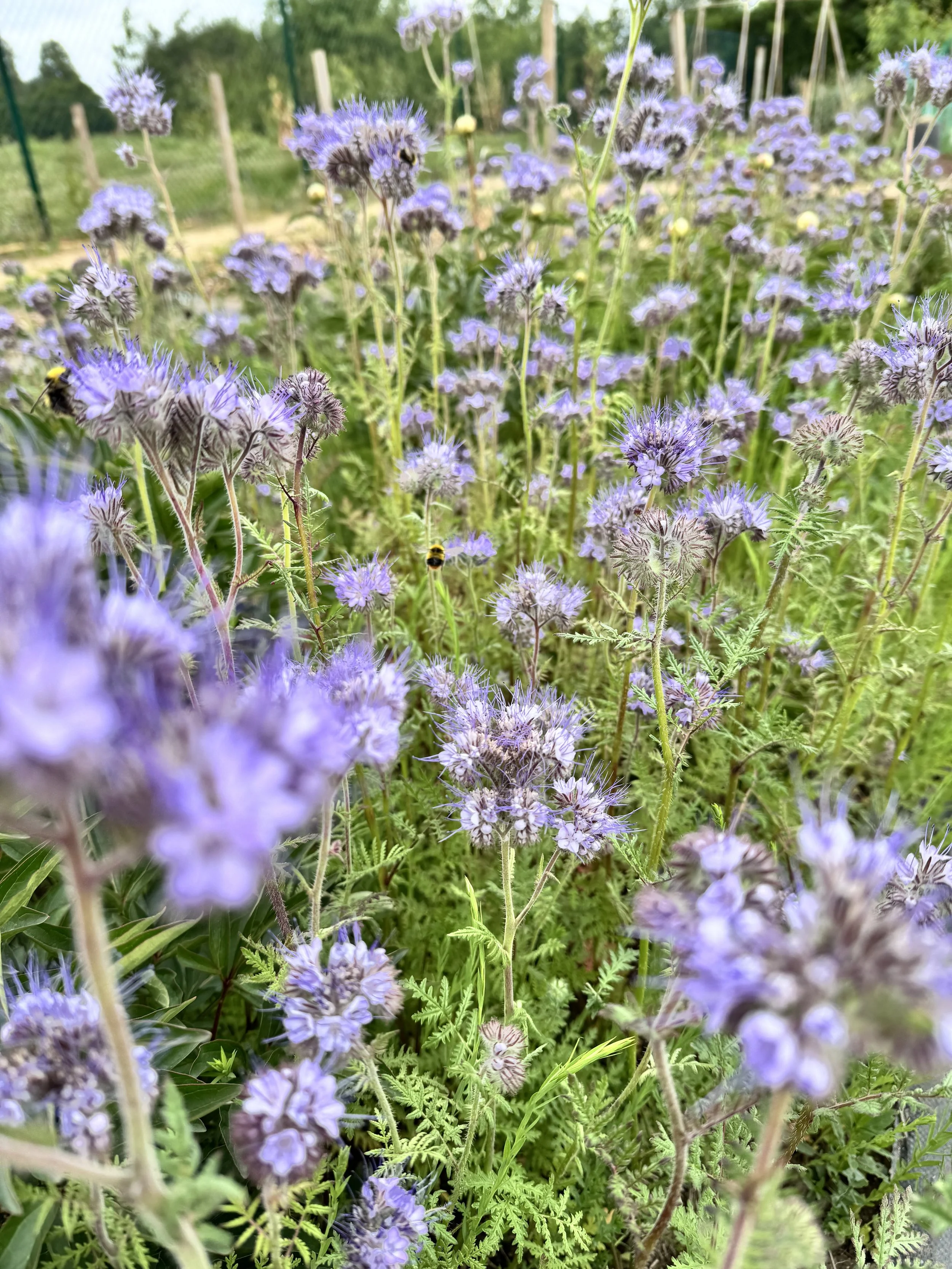
Phacelia is a pollinator magnet, with gorgeous purple curls that bees absolutely adore. It grows quickly, suppresses weeds, and improves soil structure without becoming a nuisance.
It’s also easy to terminate in spring with a simple cut or hoe, which is exactly what I need when the season gets busy again.
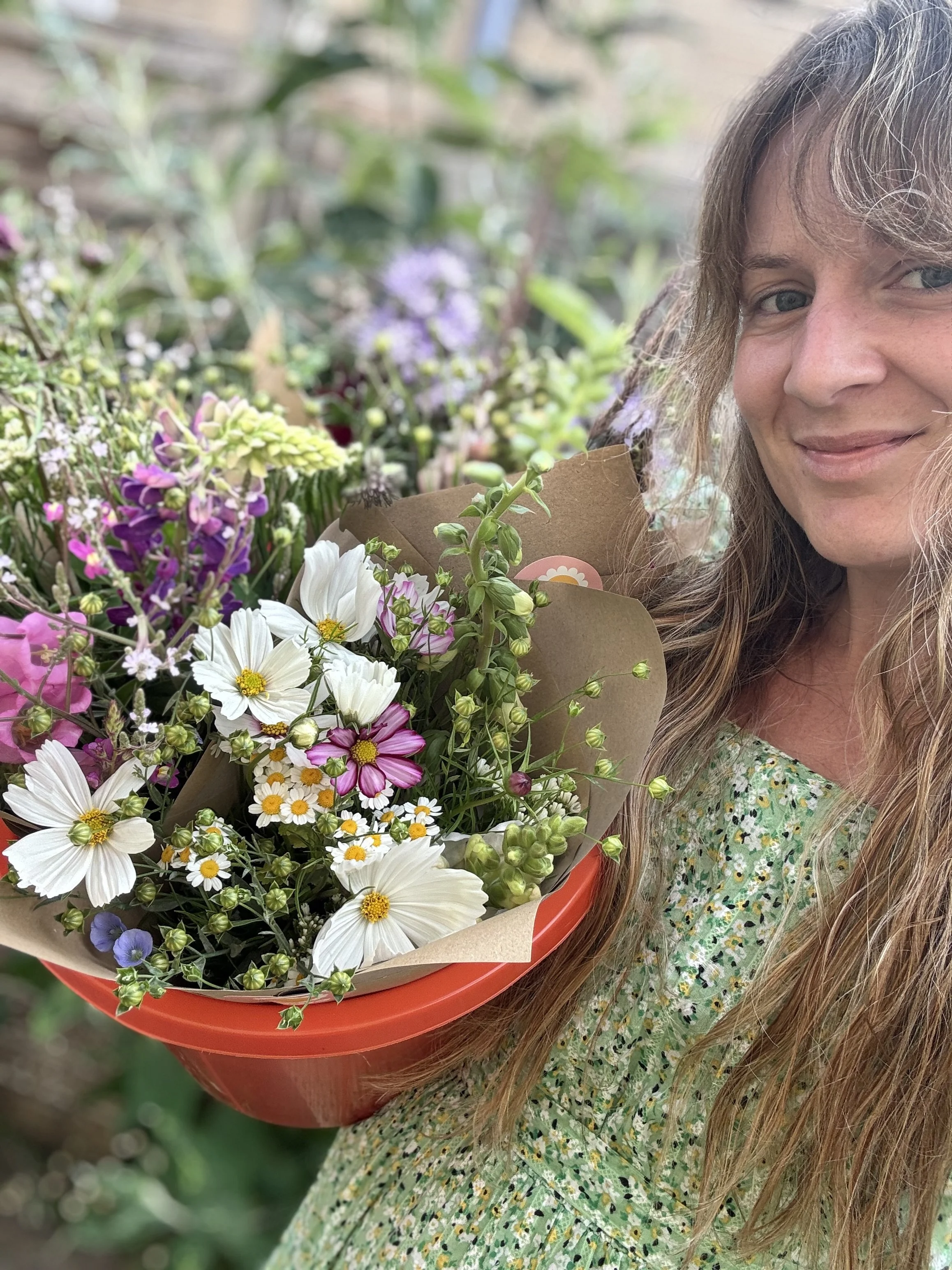
The little green seed heads from the flax plants look lovely in these bouquets
The Rye Disaster: A Cautionary Tale
Last year I tried using rye as a winter cover crop - and oh, what a mistake that was.
Rye is brilliant in theory: it grows fast, protects soil, and adds loads of biomass.
But the problem? It’s basically unkillable.
I cut it. I hoed it. I tried digging it out. And yet… rye shoots continue to appear everywhere, even now. Months later.
It was like inviting an overenthusiastic guest to stay for the weekend who promptly moved in permanently.
So yes - rye is officially banned from the farm.
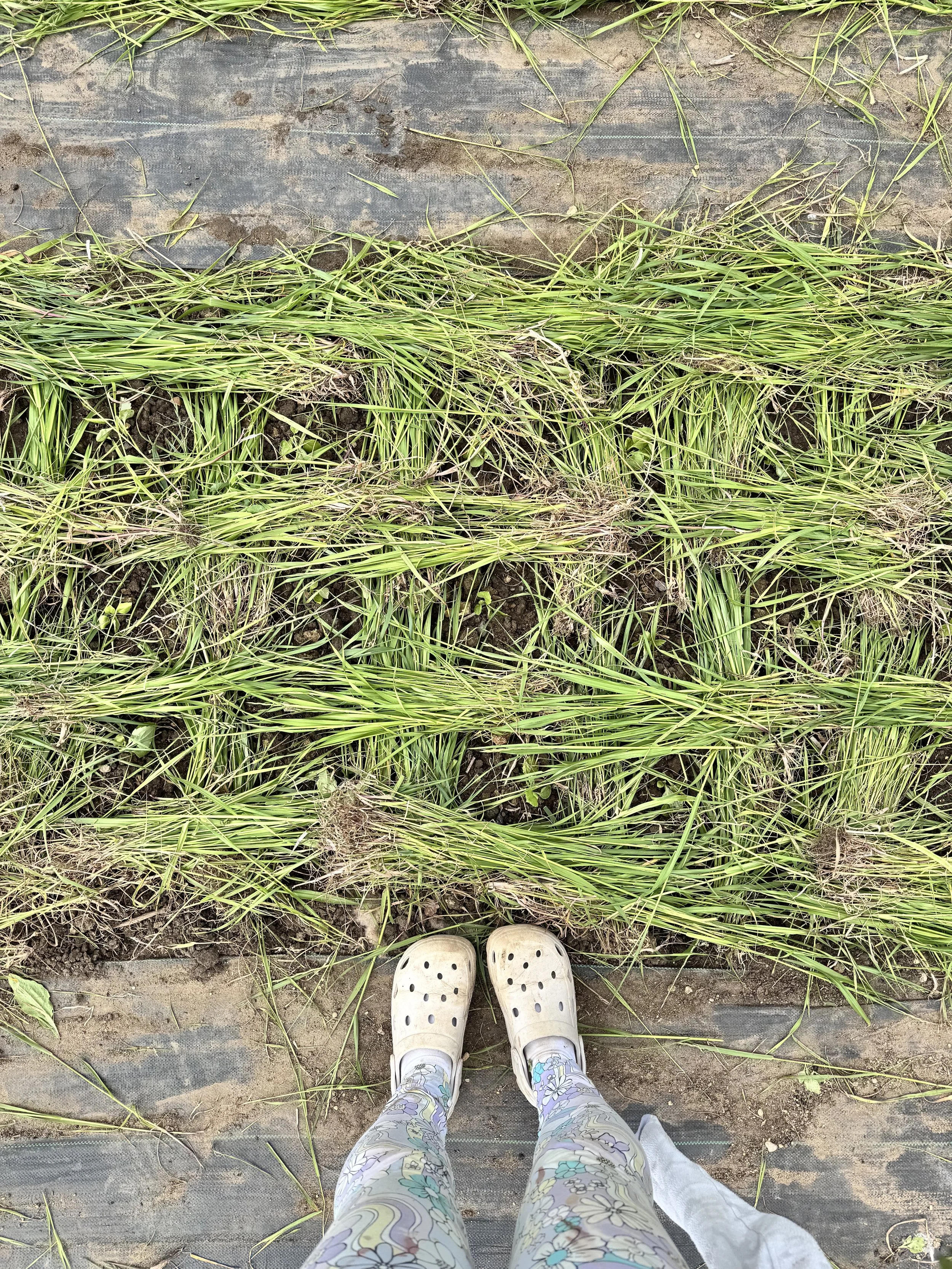
Freshly harvested rye cover crop laid down as a mulch
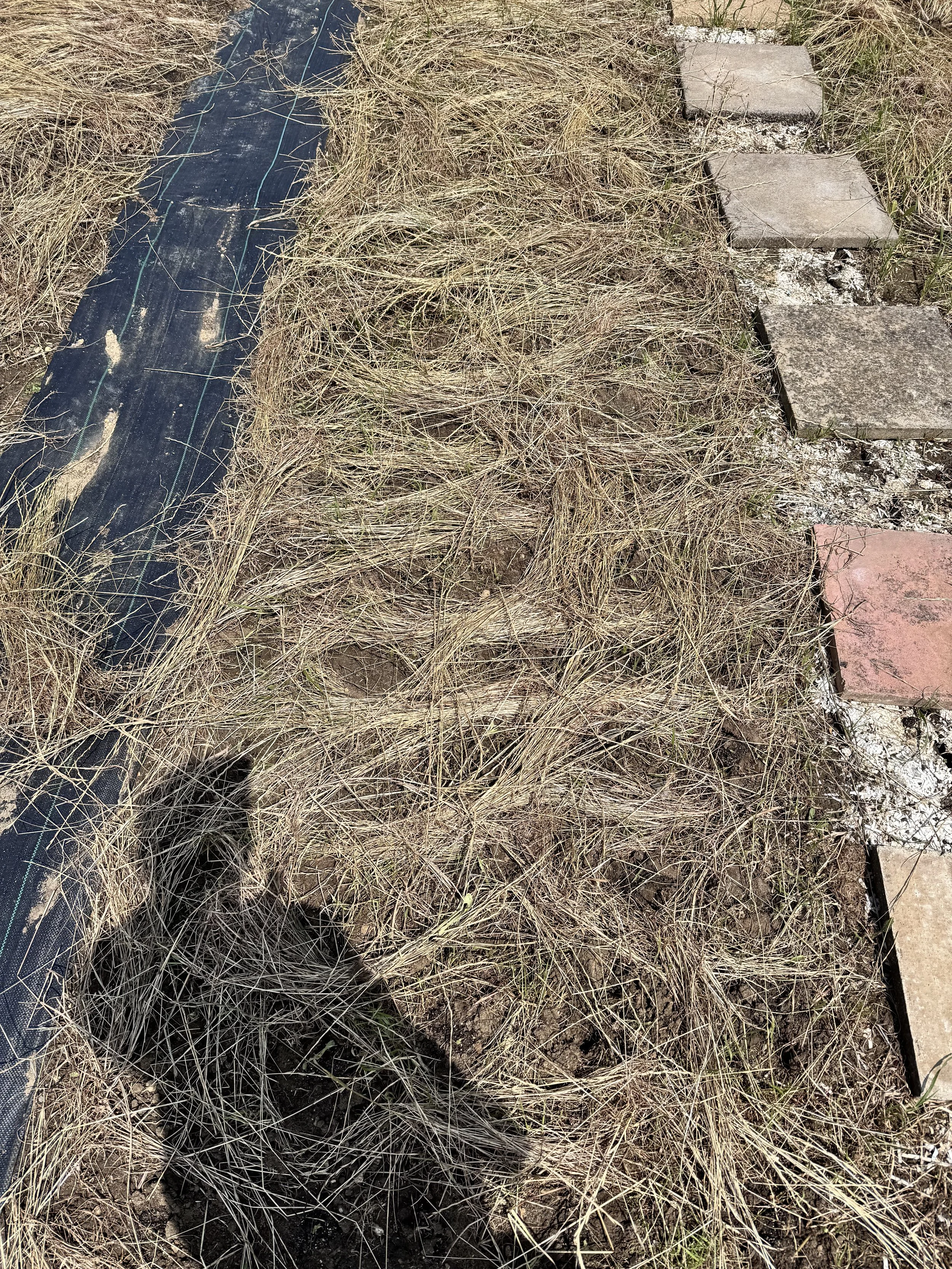
Rye doing a great job of mulching the flowers beds during a heatwave.
The Best Part: They’re Good for Bouquets Too
The wonderful bonus of my current cover crops is that they aren’t just good for the soil - they’re also unexpectedly lovely in arrangements.
Flax seed pods are whimsical, textural, and delicate.
Phacelia adds movement, scent, and a wildflowery charm.
It feels good to grow something over winter that pulls double duty: healthy soil and ingredients for beautiful spring bouquets.
Winter Work That Pays Off in Spring
Cover crops might not be as photogenic as summer flowers, but they’re the quiet heroes of the farm. They protect the soil when it’s most vulnerable and set the stage for stronger, healthier blooms next year.
Spring flowers always steal the show, but winter is where their success really begins.
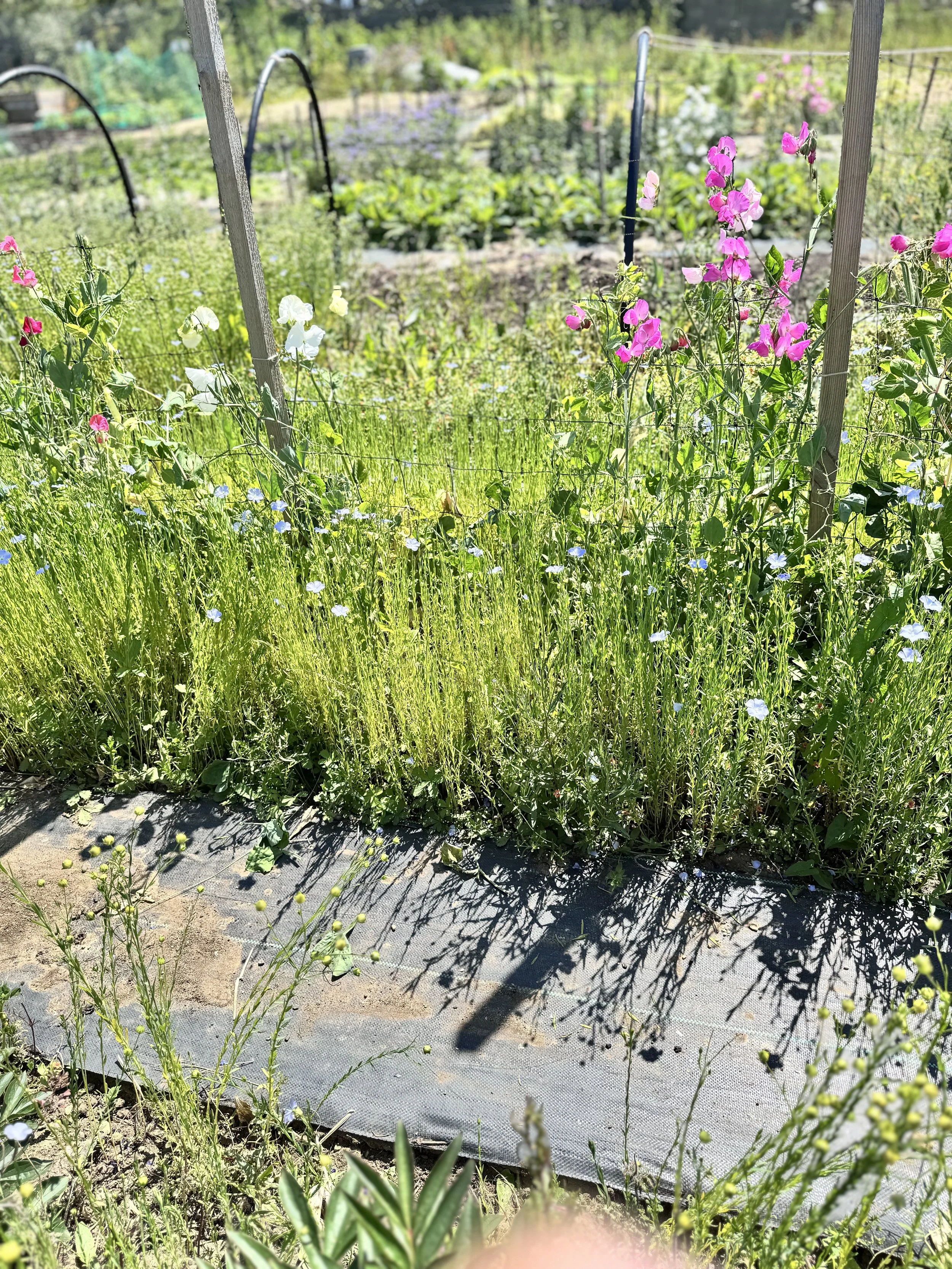
Flax cover crop growing at the base of Sweet Pea plants